A planner is mainly forward-looking
A planner helps organize what you intend to do. It commonly includes calendars, schedules, task lists, goals, deadlines and planning prompts. The structure is useful when the main question is “What needs to happen next?”
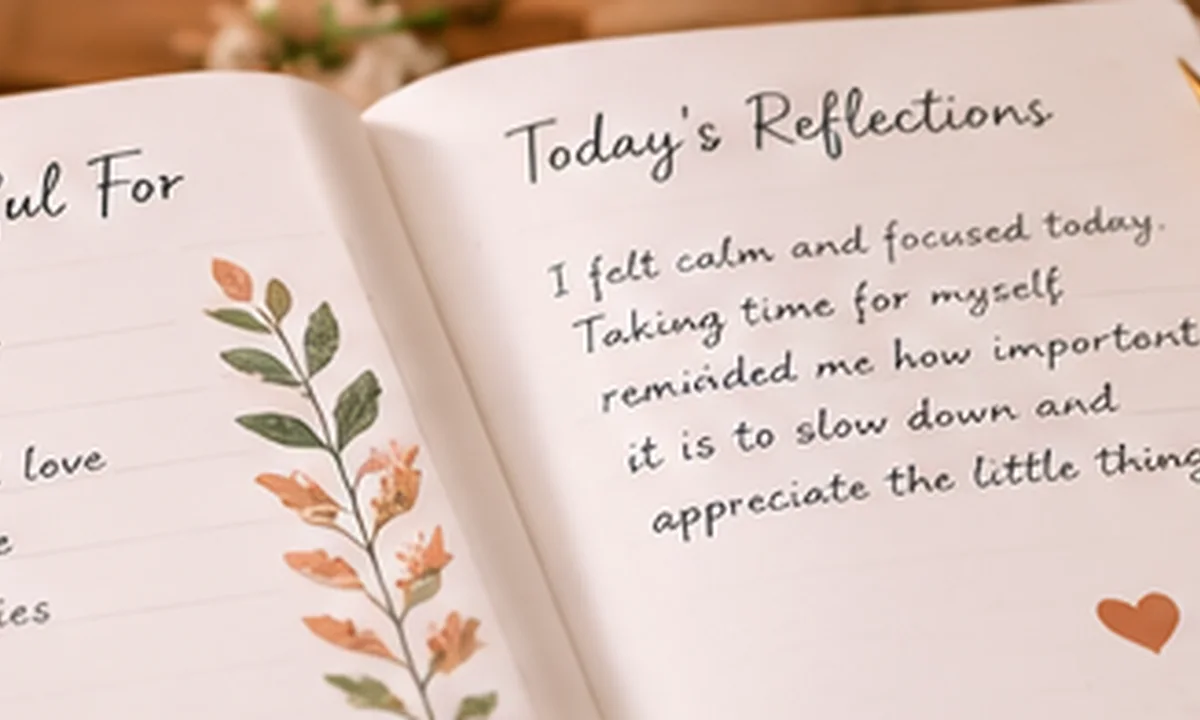
A journal is mainly reflective
A journal creates space to record thoughts, observations, memories, lessons and progress. Guided journals may include prompts while open journals may provide more flexible writing space. The main question is usually “What happened, what did I notice, and what do I want to remember?”
Use a planner when action is the priority
Choose a planner for scheduling, project steps, appointment management, meal planning, travel preparation, study plans or any goal that depends on organizing future actions. Browse the PrintableLab planner collection to compare topics.
Use a journal when insight is the priority
Choose a journal when you want to reflect on experiences, record progress, capture observations or develop a writing practice. Gardening, reading, travel and wellness are examples where notes can be as valuable as schedules. Browse printable journals for topic-specific options.
Use both when the goal has action and reflection
Some goals benefit from a planner and a journal. A fitness planner can organize workouts while a journal records how sessions felt. A garden planner can schedule planting while a garden journal records weather, harvests and observations. PrintableLab niche pages place coordinated formats together so you can compare them without searching the entire catalog.
Consider a tracker or workbook too
If you mainly need repeated measurements, a tracker may be simpler. If you want guided exercises, a workbook may provide more structure. Start with the job the page needs to do, then choose the format.
Use a planner when the page needs to drive action
Planners organize future commitments: what must happen, when it should happen and what deserves priority. They are strongest when you need structure before the event or task occurs.
Use a journal when the page needs to capture meaning
Journals are better for reactions, observations, memories and open-ended thought. A journal entry can explain why a plan changed or what you learned, but it does not have to become a schedule.
Combine them when planning and reflection influence each other
A weekly planner can hold appointments and priorities while a journal records what worked, what felt difficult and what should change next week. Keeping those jobs separate often produces a cleaner system than forcing both into one crowded page.
Choose the printable format that matches the job
If the topic needs future actions, use a planner. If context and personal observations matter, use a journal. Repeated measurements fit a tracker; dated event history fits a logbook; guided questions and exercises fit a workbook. The Habit Building & Routine Management printable collection lets you compare those approaches without changing the subject you are working on.
Example: using both for the same goal
Consider someone working on a 30-day fitness routine. The planner can hold workout days, appointment times and weekly priorities. The journal can record how the sessions felt, what made a workout difficult, which routines were enjoyable and what changed in motivation. Those are different jobs even though they belong to the same goal.
At the end of the week, the journal may reveal that late workouts are consistently skipped. That reflection can change the next planner page by moving sessions earlier. In this setup, the planner drives action and the journal supplies context that improves future planning.
If one format feels overloaded
A common sign that the wrong format is doing too much is a planner filled with long paragraphs or a journal packed with deadlines and checkboxes. Separate action from reflection. Put dates and commitments where they can be scanned quickly, then use a journal when the explanation or emotional context deserves more space.
You do not have to duplicate everything in both places. A planner can contain a short note such as “review journal entry” or a journal can mention the decision that was added to next week’s plan. The connection can be light as long as each tool keeps a clear job.
Questions to answer before you settle on a system
- Am I trying to schedule action or explore thoughts?
- Do I need dates and deadlines visible at a glance?
- Would open writing space help more than structured boxes?
- Which information needs to influence the next plan?
- Can the two formats stay connected without duplicating everything?
A step-by-step checklist
- Step 1: Write down whether your immediate need is action, reflection or both.
- Step 2: Use a planner for appointments, deadlines, tasks and future commitments.
- Step 3: Use a journal for observations, reactions, memories and open-ended thinking.
- Step 4: Keep the planner concise so reflective writing does not bury the schedule.
- Step 5: Use journal reviews to inform the next planning cycle when lessons should change future actions.
- Step 6: Combine the formats only when each has a clear job in the routine.
Use the checklist as a starting point rather than a rulebook. The right routine depends on the subject, how often information changes, and whether the printed pages help you make a decision, remember something important or notice a pattern.
Explore related printables
Continue with the Habit Building & Routine Management printable collection, where you can compare its planner, journal, tracker, logbook, workbook and bundle. You can also return to the Printable Planning Guides for more practical help.