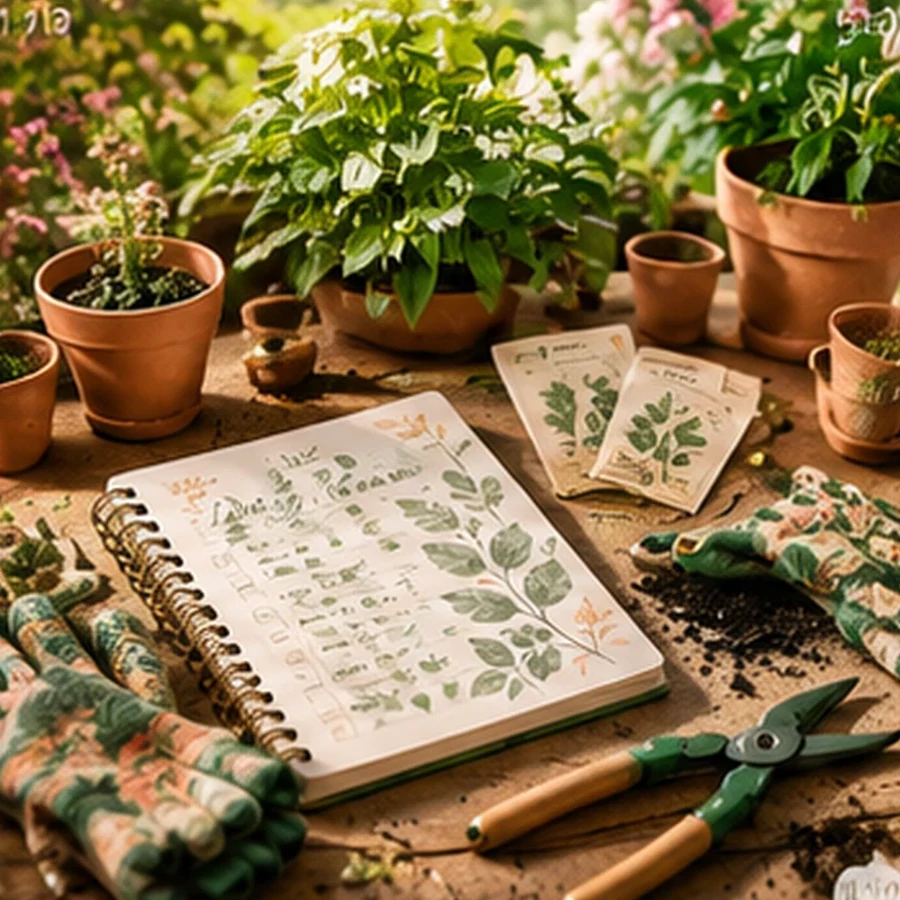
Record the facts you will want next season
A garden journal is most valuable when it answers future questions. Record what you planted, where it was planted, the variety, planting date and important weather conditions. These details help you compare seasons instead of relying on memory.
Note changes, not every ordinary day
You do not need a long entry every day. Record germination, transplanting, flowering, pest problems, unusual weather, pruning, fertilizer, harvests and anything else that may explain results later.
Use sketches or bed maps
A simple layout can show where varieties were planted and help with crop rotation or spacing decisions next year. You can also note sun exposure, irrigation issues and areas that performed better than expected.
Track harvest information
Record first harvest dates, approximate quantities, quality and varieties you would grow again. If you preserve food, add notes about storage, freezing or canning results.
End the season with a review
Summarize what succeeded, what struggled and what you want to change. List varieties to buy again, timing adjustments and projects for the next season. This final review turns scattered notes into an actual planning tool.
Pair notes with a garden plan
A journal records what happened while a planner organizes what should happen next. The Gardening & Plant Care collection includes both approaches along with tracking, logbook and workbook formats.
Record location as carefully as the plant name
Sun exposure, bed position, container size and nearby plants can explain why the same variety performs differently. A simple bed map or location note often becomes more useful than a long narrative at the end of the season.
Link observations to dates and weather
Germination, flowering, pest outbreaks and harvest timing make more sense when they are tied to dates and notable conditions. Those records can help you adjust sowing windows or maintenance next season.
Finish with a “grow again / change / skip” list
A concise seasonal summary turns months of notes into decisions. Record which varieties earned another place, what needs a different location or timing, and what was not worth the space or effort.
Choose the printable format that matches the job
If the topic needs future actions, use a planner. If context and personal observations matter, use a journal. Repeated measurements fit a tracker; dated event history fits a logbook; guided questions and exercises fit a workbook. The Gardening & Plant Care printable collection lets you compare those approaches without changing the subject you are working on.
Example: recording one tomato variety through a season
Write the variety name, seed-starting date, transplant date and bed location. Add notes when the plant flowers, when the first fruit sets, and when the first ripe tomato is harvested. If pests, disease or extreme weather appear, record the date and what you tried.
At season end, summarize yield, flavor, disease resistance and whether you would grow it again. Next spring, that single page is more useful than a vague memory that the plant “did pretty well,” because it connects the result with timing, location and conditions.
If garden notes are hard to maintain
Stop trying to document ordinary days. Focus on events that may explain outcomes later: sowing, transplanting, unusual weather, fertilizer, pest treatment, first bloom, first harvest and major problems. A few well-timed notes can answer more useful questions than a daily diary.
Use consistent plant names and locations. “Tomato by fence” may be clear today but ambiguous next spring. A variety name and bed number make the record easier to compare across seasons, especially when several similar plants are growing at once.
Questions to answer before you settle on a system
- Which planting details will matter next season?
- How will I identify beds, containers or locations?
- Which weather or care events are worth recording?
- What harvest information would help me compare varieties?
- What decisions should the end-of-season review produce?
A step-by-step checklist
- Step 1: Create a simple map or location code for beds, containers and growing areas.
- Step 2: Record variety names and planting dates rather than only general plant types.
- Step 3: Note weather, germination, flowering, pests and harvest milestones when they change.
- Step 4: Track treatments, fertilizer or watering adjustments that may explain later results.
- Step 5: Record harvest timing and quality for varieties you may grow again.
- Step 6: Finish the season with a grow-again, change and skip list for next year.
Use the checklist as a starting point rather than a rulebook. The right routine depends on the subject, how often information changes, and whether the printed pages help you make a decision, remember something important or notice a pattern.
Explore related printables
Continue with the Gardening & Plant Care printable collection, where you can compare its planner, journal, tracker, logbook, workbook and bundle. You can also return to the Printable Planning Guides for more practical help.